Federica La Russa


Over more than twenty years of work with women and marginalised communities in Uganda, Women of Uganda Network (WOUGNET) has explored what goes unseen when inclusion is conceived solely in terms of connectivity. In this conversation, Sandra Aceng, the organisation’s Executive Director, explains what it means to look beyond access and what conditions make genuine participation possible.
The International Telecommunication Union now measures “meaningful connectivity”1 across six dimensions: availability, quality, affordability, devices, skills and safety. Being connected to a network, then, is only the first step towards digital inclusion. In low- and middle-income countries, for instance, the gender gap in smartphone ownership is smaller than the one in mobile internet use: according to the GSMA2, in 2025 approximately 200 million fewer women than men used the Internet on their phones.
Women of Uganda Network, better known as WOUGNET, was founded in May 2000 at the initiative of several Ugandan women’s associations. It deals daily with what truly makes women’s digital participation possible. We spoke to Sandra Aceng, Executive Director of WOUGNET, who explained how, over time, this question has come to be addressed through three main areas: advocacy for gender-sensitive digital policy, technical support and the building of networks for the exchange of information.
Sandra Aceng
A Ugandan researcher and digital rights activist, she is the Executive Director of Women of Uganda Network – WOUGNET. Her work covers digital inclusion, online safety and the impact of technology policy on women and the most excluded communities. Aceng focuses on technology-facilitated gender-based violence, which includes harassment, threats, defamation campaigns, digital control and the non-consensual sharing of content. She has also examined the effects of Internet shutdowns on women’s access to work, services, information and civic participation. In 2021, the regional organisation DefendDefenders recognised her as Human Rights Defender of the Month for her commitment to defending women’s rights and freedom of expression online. Through WOUGNET, she brings this perspective to national and international debates on Internet governance.
Read moreVisit her Linkedin profile
When WOUGNET first began working on digital inclusion, what were the prevailing ideas about access and connectivity?
At the early stages of our journey, the debate was largely centred on access. The prevailing assumption was simple: if people had a device, an Internet connection and the necessary infrastructure, participation would follow naturally. For this reason, most interventions focused on expanding connectivity and reducing the cost of technology. The Internet was often seen as an inherently emancipatory tool, a gateway to information, economic opportunity and civic participation. Connecting people meant empowering them.
When did you begin to realise that access alone did not necessarily lead to participation? Was there a particular experience that made you realise this?
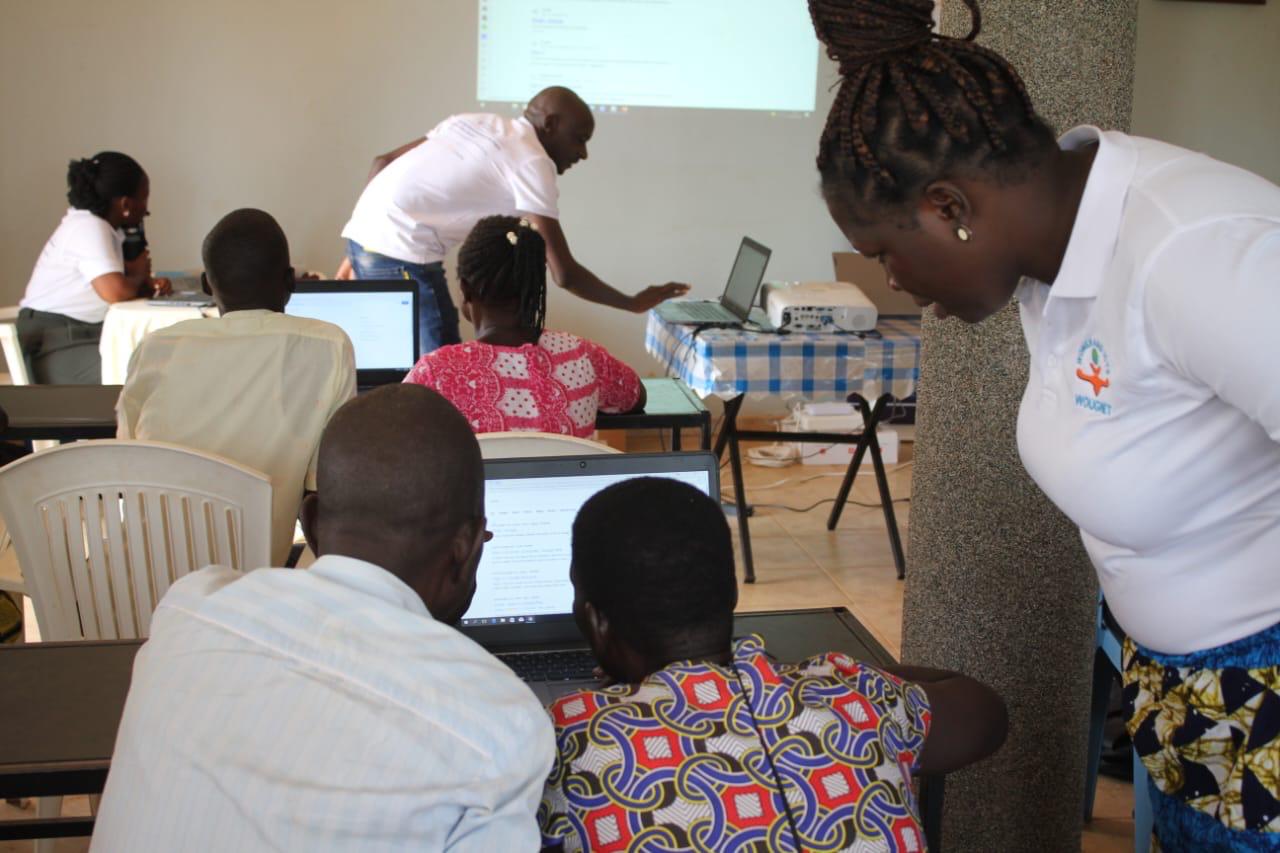
We realised this quite early on, once we began working directly with women and marginalised communities and moved beyond the simple question of access. One experience we remember well came out of our digital literacy work in rural and peri-urban communities. Many of the women involved had only recently acquired a smartphone and were therefore considered “connected”. Yet most of them used the device only to make calls or for basic messaging apps.
WOUGNET
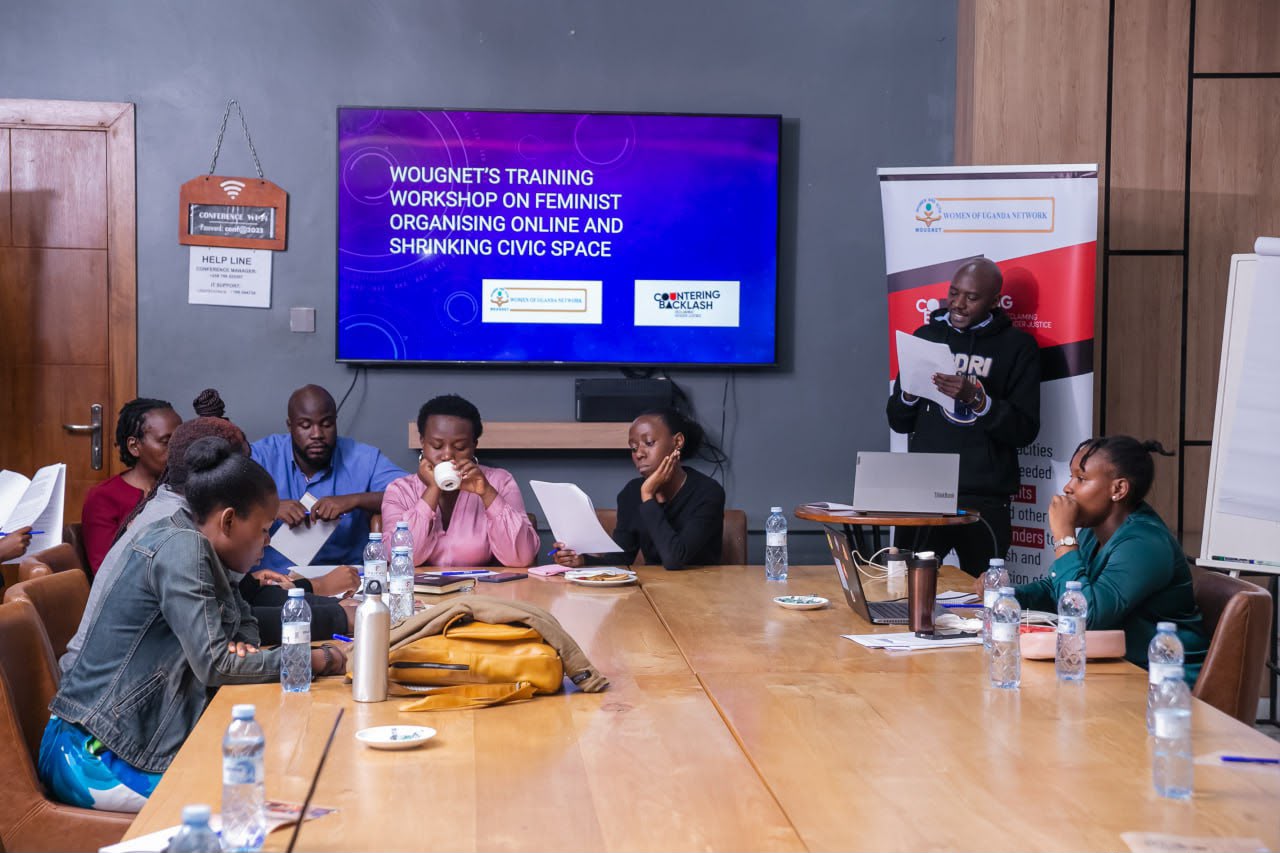
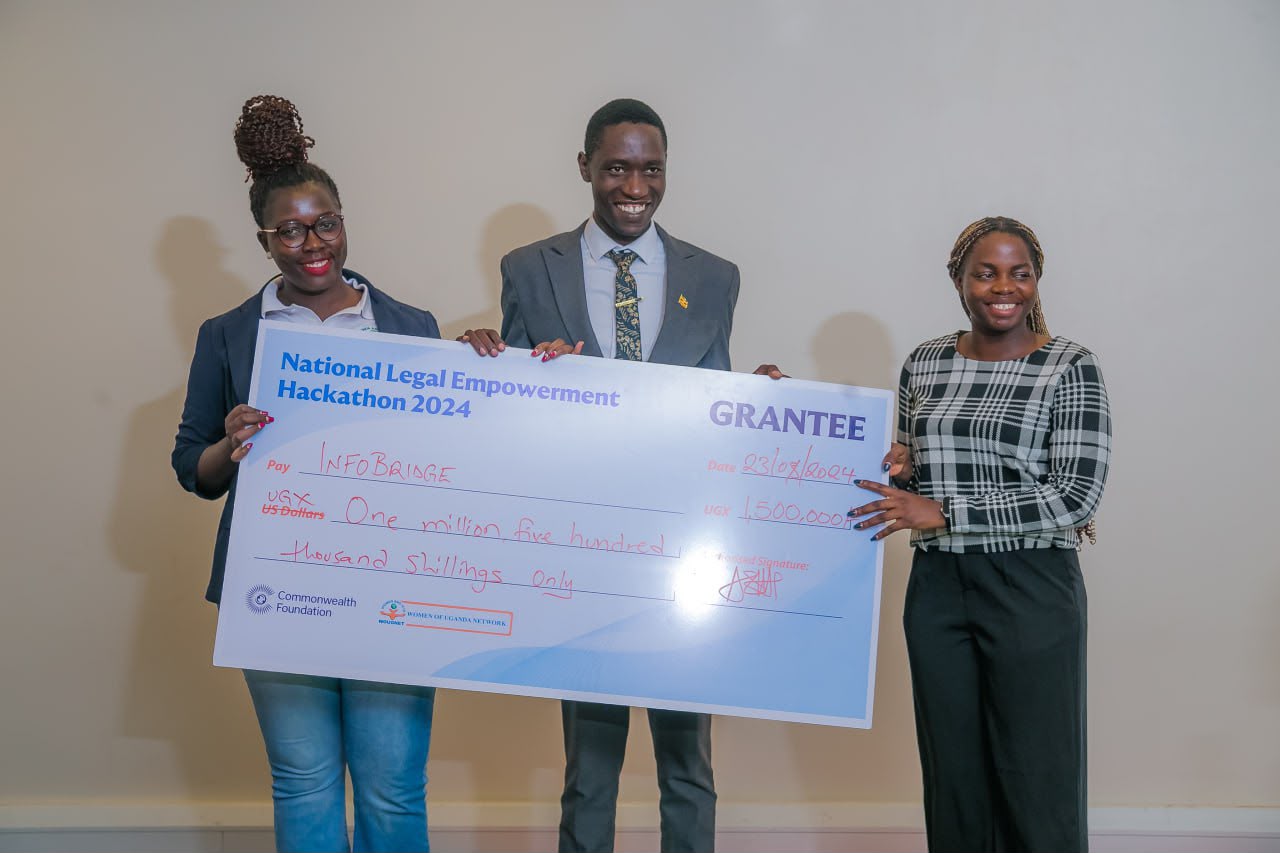
In 2005, WOUGNET opened the Kubere Information Centre in Apac, in northern Uganda, a space dedicated to digital training and access to devices and information. In the same area, together with the Makerere University research centre netLabs!UG, WOUGNET developed a rural broadband network, setting up free Wi-Fi hotspots at schools, health centres, markets and local organisations. Alongside connectivity, it runs digital literacy courses and trains local people to manage the infrastructure. The organisation also promotes projects against online gender-based violence and disinformation. Digital Rights for Girls and Women, carried out between 2024 and 2025, involved women, girls and local associations in initiatives on digital rights and online safety. WOUGNET also runs a portal that gathers information and support services for people who experience online abuse.
Read moreVisit their official website
And here I would like to point out that the main obstacle was a lack of confidence in their own abilities: many women were reluctant to explore unfamiliar functions for fear of making mistakes, falling victim to scams or exposing themselves to risks they did not fully understand. We observed similar dynamics in projects dedicated to digital entrepreneurship, where building an online business required skills that went well beyond simple access to social media.
Once access has been achieved, what obstacles continue to affect women’s online participation?
Cost remains one of the most significant factors. A woman may own a smartphone but be unable to afford regular access to mobile data, which limits the use of digital tools to essential activities. Participation becomes occasional. Control over devices also matters a great deal. In many families, phones are shared or, in practice, controlled by other people. This affects privacy, autonomy and the freedom to explore digital spaces.
Another often overlooked factor is time. Many of the women we work with are stretched between caregiving responsibilities, domestic work and income-generating activities.
Meaningful participation in digital spaces takes time to learn, experiment and become familiar with the tools, but that time is often lacking. Connectivity statistics rarely take into account the social expectations that shape people’s ability to take part in digital spaces.
Then the language itself also presents a significant barrier to navigating platforms, finding relevant information or accessing services. Connectivity or device ownership, in short, tell us whether someone has access to the Internet, but say little about how that access is actually experienced. What risks being lost is the difference between access and participation.
How has your work changed the way you think about the relationship between technology and safety?
Our work has profoundly transformed the way we look at technology. Like many other organisations, we initially focused mainly on its potential to widen access to information, opportunities and participation. Over time, however, we came to understand that digital spaces are not neutral, because they often reproduce, and sometimes amplify, the same inequalities that exist offline.
Working with women and marginalised communities, we have seen how online harassment, cyberstalking, the non-consensual sharing of images and other forms of technology-mediated violence have a very real effect on people’s experience of digital spaces.
These phenomena do not affect everyone in the same way, and they can have a direct impact on participation: many women respond by withdrawing from certain online spaces, limiting their visibility or self-censoring.
In these situations, being connected does not necessarily mean being able to participate freely. This is why our approach has evolved: today we also work on online safety, rights awareness and advocacy for greater protection. We regard safety as a fundamental condition for digital inclusion, because without it participation remains limited, unequal and, in some cases, even harmful.

How do women deal with these risks, and what does this tell us about the power dynamics at play in digital spaces?
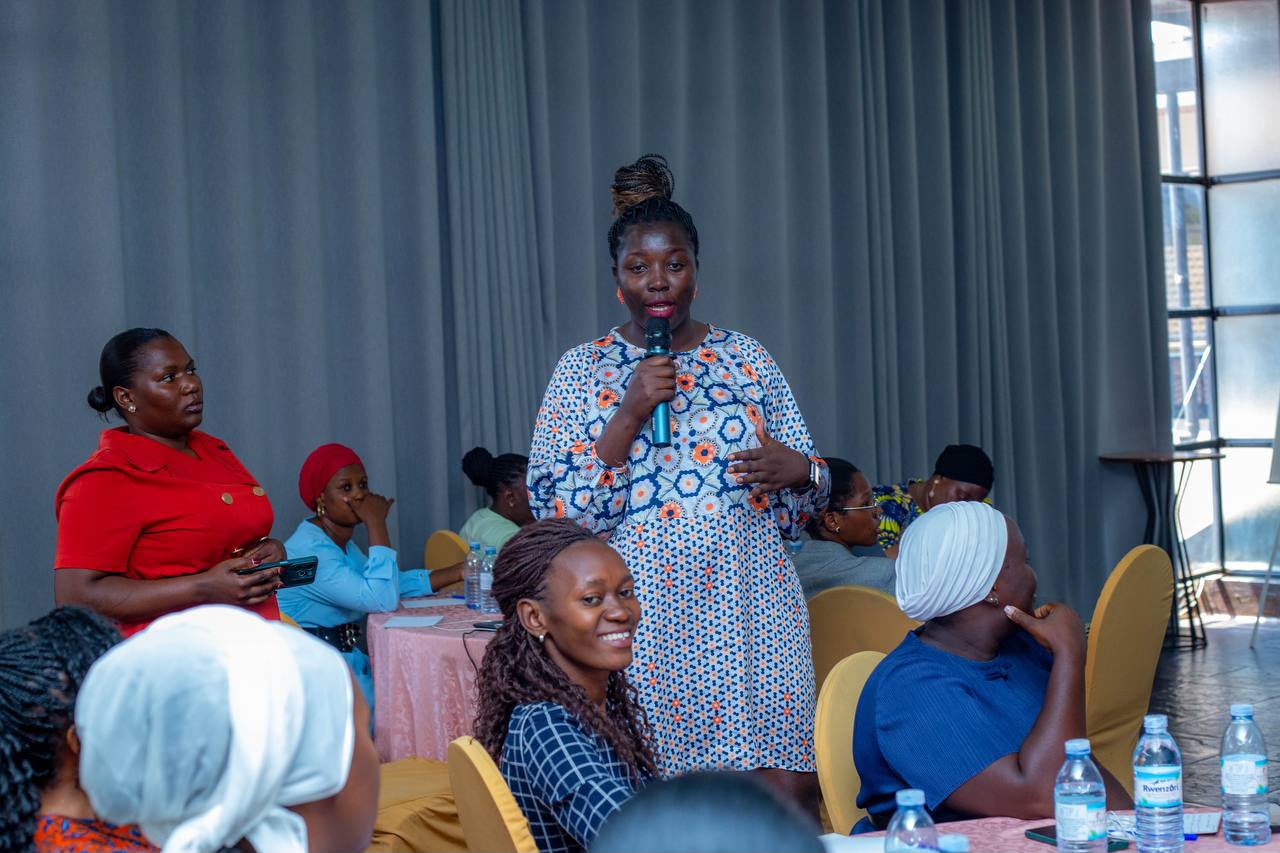
Sometimes it comes down to everyday practices: choosing carefully who to contact, limiting what they share, or relying on trusted networks to verify information and avoid scams. In many cases, knowledge circulates collectively. Women learn from one another’s experiences, exchange warnings and share strategies for protecting themselves.
We have also seen how many women redefine their way of participating when digital spaces become hostile. Some move towards smaller, more controlled environments, such as closed messaging groups, where trust and mutual accountability are easier to build. Others continue to use digital platforms for advocacy, community-building and mutual support, despite the risks they face.
Are there aspects of digital participation that international frameworks still struggle to capture?
What many frameworks struggle to capture is the complexity of participation: the way people relate to technology is not linear, it changes over time, and it is shaped by safety, cost, trust and the relevance of the tools available. Communities have taught us that what counts as participation cannot be defined in advance.
Many projects are launched with predetermined objectives, such as promoting entrepreneurship, fostering civic participation or increasing online activity. In reality, however, people’s priorities are often different. They may be more interested in staying in touch with their families, accessing essential services or solving practical everyday problems. It is no coincidence that we have seen communities push back against solutions that failed to take account of their context: in areas with limited access to devices or data connections, people have developed alternative ways of using technology, experimenting with shared tools, offline solutions or hybrid systems that combine digital and non-digital approaches.
Ultimately, communities have taught us that digital inclusion must start from the bottom up, be able to adapt to context, and remain rooted in people’s experiences.
This is why we have gradually moved away from rigid definitions of inclusion: rather than measuring success against a single model of participation, we have learned to ask whether digital tools are genuinely useful, safe and meaningful for those who use them.

After years of work on these issues, what does participation that truly generates value mean to you today?
It means having the skills needed to find one’s way around digital spaces, having the freedom to decide how to use technology, and being able to participate without fear of harassment, surveillance or exclusion. The relevance of the tools matters too: people find it easier to participate when technologies reflect their languages, their priorities and their everyday experience.
Above all, participation that generates value is measured by the ability to use technology to pursue goals that genuinely matter and that allow people to play a part in defining them. The fairest digital systems are, in fact, those that take people’s realities into account. They must be economically sustainable over time, and work even in contexts where devices are shared, connections are intermittent and levels of digital skill vary widely. They must support different languages, different levels of literacy and different ways of using technology.
Furthermore, no one should be forced to choose between participating online and protecting themselves from harassment, surveillance or scams. Safety, privacy and control over one’s own data should be built into digital systems from the design stage.
Ultimately, the most important change concerns who has the power to shape these systems. Too often, communities are asked to adapt to technologies designed elsewhere. We believe the opposite is equally important: technologies should be designed starting from the experiences, priorities and knowledge of the people who use them.

- Read the Global Connectivity Report 2025: https://www.itu.int/itu-d/reports/statistics/global-connectivity-report-2025/ ↩︎
- Find out more on: Gsma. (2026). Gender Gap 2026. In GSMA. https://www.gsma.com/gender-gap/ ↩︎